

The Ultimate Guide to Choosing an Oxygen Machine in Melbourne: Medical Oxygen Explained
For many Australians living with chronic respiratory conditions, maintaining independence while managing health is a top priority. Whether you are in the heart of Melbourne or regional Victoria, understanding how to select and maintain an oxygen machine is essential for effective long-term care.
This guide provides a comprehensive deep dive into medical oxygen solutions, covering everything from the technical mechanics of concentrators to the practicalities of navigating the Australian healthcare landscape. By the end of this article, you will have a professional framework for choosing the right device to support your respiratory health.
What is an Oxygen Machine? Understanding the Basics
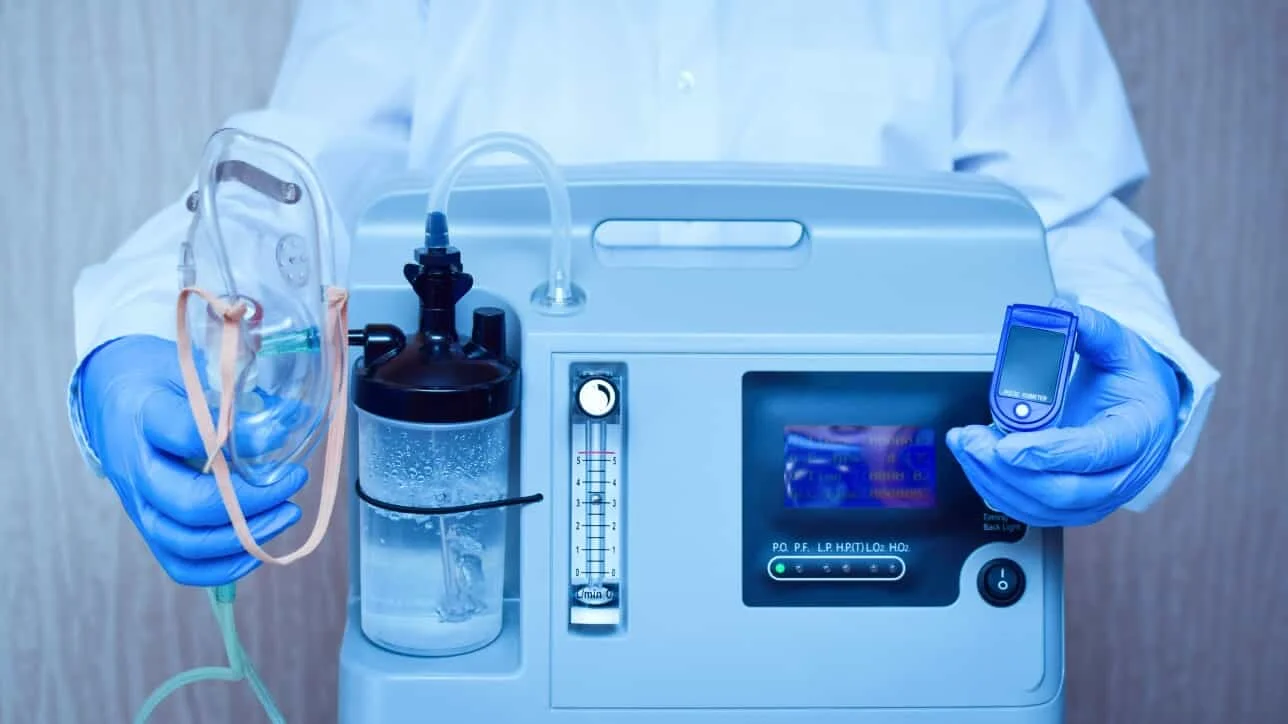
An oxygen machine, technically known as an oxygen concentrator, is a medical device that takes in ambient air, removes nitrogen, and delivers purified, medical-grade oxygen to the user.
Unlike traditional oxygen tanks (cylinders) which contain a finite amount of pressurized gas, a concentrator provides an endless supply of oxygen as long as it has power. This makes it a preferred choice for residents in Melbourne who require stationary or portable support without the hassle of frequent tank refills.
How Medical Oxygen Concentrators Work
To appreciate the value of these devices, it is helpful to understand the “Molecular Sieve” process:
- Air Intake: The machine pulls in room air (which is roughly 21% oxygen and 78% nitrogen).
- Compression: An internal compressor increases the air pressure.
- Filtration: The air passes through zeolite pellets (the sieve) which trap nitrogen molecules.
- Delivery: The resulting 90-95% pure medical oxygen is delivered via a nasal cannula or mask.
- Exhaust: The trapped nitrogen is released back into the room safely.
Types of Oxygen Machines Available in Australia
Choosing the right device depends on your lifestyle, prescription requirements, and whether you need support primarily at home or on the move.
1. Stationary Oxygen Concentrators
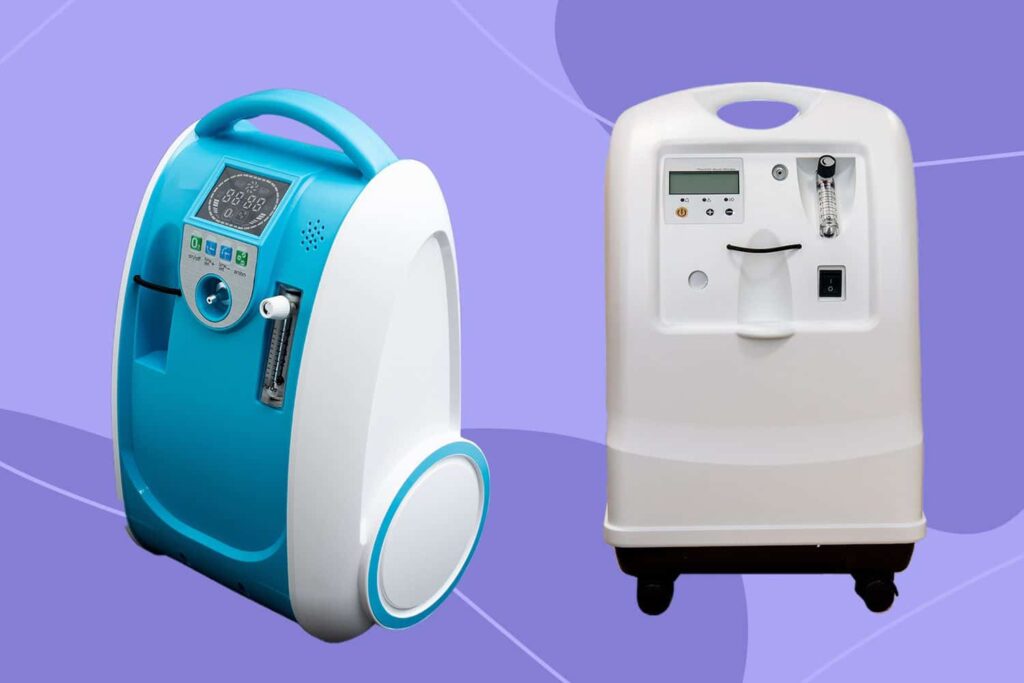
These are the workhorses of home respiratory therapy. They are designed for 24/7 operation and usually feature wheels for moving between rooms.
- Best for: High-flow requirements and sleep apnea support.
- Power: Plugs directly into a standard Australian 240V wall outlet.
2. Portable Oxygen Concentrators (POCs)
POCs have revolutionized travel for oxygen users in Melbourne. These lightweight units run on rechargeable batteries and can be carried in a backpack or over the shoulder.
- Best for: Social outings, shopping at the Queen Victoria Market, or domestic flights.
- Delivery Modes: Most use “Pulse Dose” technology, which only releases oxygen when you inhale.
| Feature | Stationary Unit | Portable Unit (POC) |
| Weight | 14kg – 25kg | 1.5kg – 8kg |
| Oxygen Flow | Up to 10 Litres Per Minute (LPM) | Usually 1–5 Pulse Settings |
| Primary Use | Overnight & Heavy Home Use | Travel & Physical Activity |
| Power Source | AC Mains Power | Battery & DC (Car) Power |
Benefits of Modern Medical Oxygen Therapy
Implementing a high-quality oxygen machine into your treatment plan offers more than just respiratory relief; it enhances your overall quality of life.
- Increased Longevity: Consistent use for those with COPD or pulmonary fibrosis is clinically proven to extend life expectancy.
- Mental Clarity: Improved oxygen saturation reduces “brain fog,” confusion, and fatigue.
- Exercise Tolerance: Supplemental oxygen allows for longer walks and physical therapy, which is vital for cardiovascular health.
- Better Sleep: Specialized machines help maintain steady O2 levels during the night, preventing morning headaches and restless sleep.
Choosing the Right Machine: A Step-by-Step Framework
Selecting medical equipment should never be a guessing game. Follow this professional framework to ensure your device meets your clinical and lifestyle needs.
Step 1: Confirm Your Prescription
In Australia, medical oxygen is a scheduled medication. Your GP or a Melbourne-based respiratory specialist must provide a prescription detailing the flow rate (LPM) for both rest and exertion.
Step 2: Evaluate Flow Requirements
Not all machines are created equal. If your prescription requires a “Continuous Flow” of 3LPM or higher, many small portable units will not be sufficient. Ensure the machine’s maximum output exceeds your highest required setting.
Step 3: Consider Your Environment
Melbourne’s climate can be variable. Ensure your machine is rated for the humidity and temperature ranges of your home. If you live in a multi-story house, you may need a stationary unit with a long (15-meter) tubing extension or a secondary portable unit.
Step 4: Check for TGA Approval
Always verify that the oxygen machine is registered with the Therapeutic Goods Administration (TGA). This ensures the device meets Australian safety and efficacy standards.
Best Practices for Using Your Oxygen Machine
To maximize the lifespan of your device and ensure your safety, adhere to these professional guidelines:
- Maintain 1.5 Meters Distance: Keep your machine away from open flames, gas stoves, or heaters. Oxygen is not flammable, but it is an “accelerant,” meaning it makes fires burn much hotter and faster.
- Clean Filters Weekly: Most concentrators have a gross particle filter. Wash this in warm soapy water, rinse, and let it air dry completely before reinserting.
- Monitor O2 Saturation: Use a pulse oximeter to regularly check that your machine is maintaining your blood oxygen levels within the range recommended by your doctor.
- Keep It Ventilated: Never place your machine in a closet or behind a curtain while it is running. It needs “breathable” space to prevent overheating.
Common Mistakes to Avoid
- Using Petroleum-Based Products: Never use Vaseline or oil-based lip balms while using oxygen. These can pose a fire risk in an oxygen-rich environment. Use water-based lubricants instead.
- Ignoring the “Low Oxygen” Alarm: If your machine’s O2 purity light turns yellow or red, it means the device is delivering room air rather than medical-grade oxygen. Switch to your backup cylinder immediately.
- Buying Second-Hand Without Testing: While buying used machines can save money, the internal “sieve beds” have a limited lifespan. Always have a used machine tested for oxygen purity by a technician before purchase.
Accessing Oxygen Services in Melbourne
Melbourne offers some of the best respiratory support services in Australia. When looking for an oxygen machine, consider the following avenues:
- SWEP (Statewide Equipment Program): Eligible Victorian residents may receive government subsidies for their oxygen equipment.
- Private Rental: Many providers in Melbourne’s suburbs (from Dandenong to Footscray) offer weekly rentals, which are ideal for short-term recovery after surgery.
- Specialist Clinics: Facilities like the Alfred Hospital or Royal Melbourne Hospital have dedicated respiratory departments that can assist with oxygen titration tests.
Internal Linking Suggestions (Anchor Text Only)
- portable oxygen concentrator reviews
- how to clean oxygen tubing
- COPD management Melbourne
- benefits of home oxygen therapy
- TGA approved medical devices Australia
Authoritative External References
- Thoracic Society of Australia and New Zealand (TSANZ): Refer to their clinical guidelines for home oxygen therapy.
- Lung Foundation Australia: A primary resource for patient education and support groups in Victoria.
Frequently Asked Questions
What is the difference between an oxygen machine and a ventilator?
An oxygen machine purifies the air to provide higher oxygen levels, but the user must still be able to breathe on their own. A ventilator is a life-support machine that mechanically moves air in and out of the lungs for patients who cannot breathe independently.
Can I take my oxygen machine on a plane from Melbourne?
Yes, most major airlines (Qantas, Virgin Australia) allow FAA-approved portable oxygen concentrators. You must notify the airline at least 48 hours in advance and ensure you have enough battery life for 150% of the flight duration.
How much electricity does a stationary oxygen machine use?
Most modern stationary units use approximately 280 to 350 watts. In Melbourne, this typically adds about $1.50 to $3.00 per day to your electricity bill, depending on your provider and usage hours.
Does medical oxygen cause side effects?
If used according to a prescription, side effects are minimal. However, high flow rates can cause nasal dryness or minor nosebleeds. Using a humidifier bottle with your stationary machine can alleviate this.
How often should I replace the nasal cannula?
For hygiene and optimal flow, it is recommended to replace your nasal cannula every 2 to 4 weeks, or immediately after you have been ill with a cold or flu.
Conclusion: Securing Your Respiratory Freedom
Finding the right oxygen machine is a transformative step in managing your health. By understanding the technical requirements of medical oxygen and following a structured selection process, residents in Melbourne can ensure they receive the best possible care.
Remember to prioritize TGA-approved devices, maintain your equipment diligently, and consult with your respiratory specialist regularly to adjust your settings as needed.