

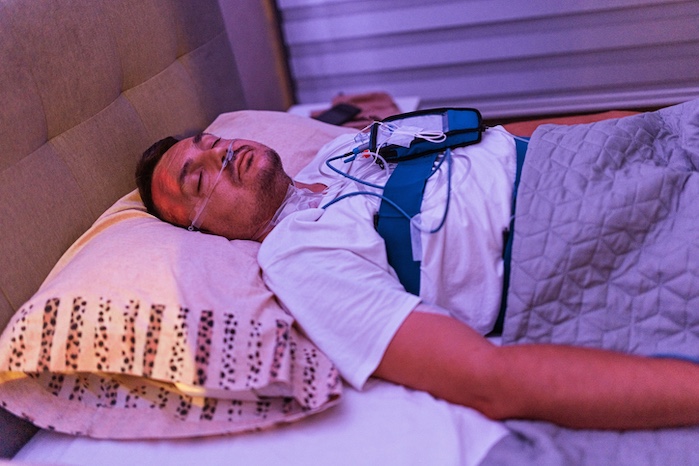
What types of sleep tests can they get in Melbourne?
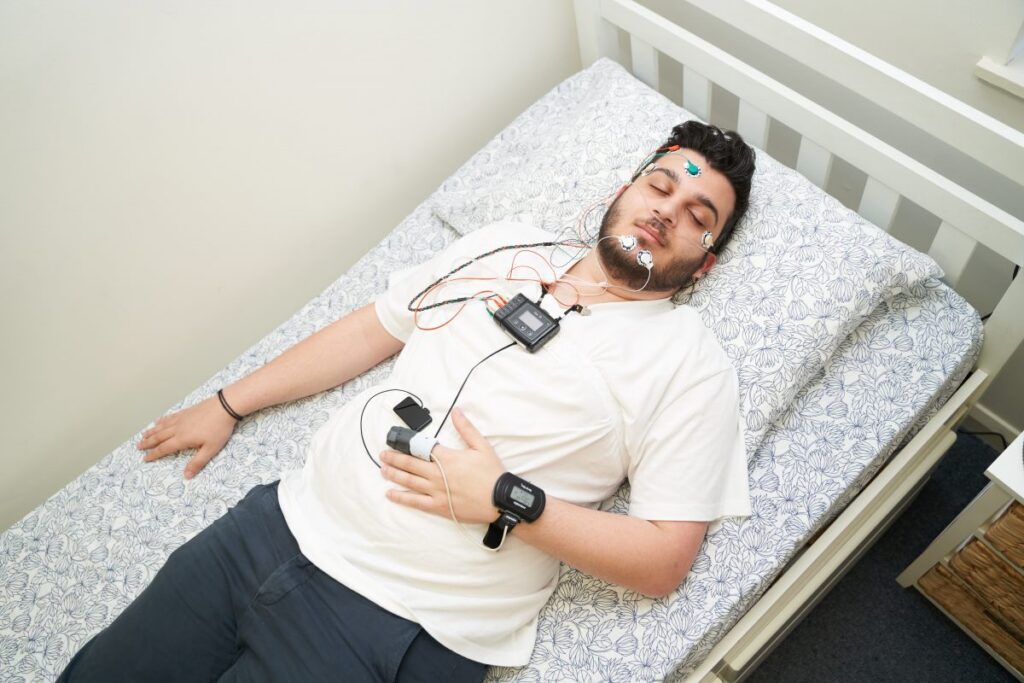
Most people will choose between an at-home sleep study and an in-lab overnight study. Home tests suit many suspected obstructive sleep apnoea cases and are often faster to book. In-lab studies are more comprehensive and are typically used for complex symptoms or when home results are unclear.
They should ask whether the clinic offering a sleep test Melbourne service provides Level 2 home studies (with more signals) or only simpler screening tests.
Where can they book a sleep test in Melbourne?
They can usually book through three pathways: public hospitals, private sleep clinics, or telehealth-first providers that ship home-test kits. Public pathways tend to involve a GP referral into a hospital clinic, then a wait for testing. Private clinics often offer both home and lab studies with faster scheduling. Telehealth providers can be quickest for home testing, depending on stock and courier times.
They should check whether the clinic is linked to an accredited sleep physician service for interpretation and treatment planning.
How much does a sleep test cost in Melbourne?
Costs vary widely based on test type and funding. Public hospital testing may be low-cost for eligible patients, but the wait can be longer. Private in-lab studies are usually the most expensive. Home sleep tests are typically cheaper than lab studies, and some providers bundle the test, report, and follow-up into one fee.
They should confirm what is included: equipment hire, scoring, specialist interpretation, consultation, and a written report. They should also ask whether Medicare rebates apply and whether private health insurance covers any in-lab component.
How long are wait times for a sleep test in Melbourne?
Wait times depend on urgency, clinic capacity, and whether they choose public or private. Public pathways can take weeks to months from referral to test, especially for non-urgent cases. Private clinics often have shorter lead times, sometimes within days to a few weeks. Home-test kits can be arranged quickly, but results still depend on analysis and clinician sign-off.
They should ask two separate timing questions: “When is the earliest test date?” and “When will they receive results and next-step advice?”
Which option is fastest: home testing or an in-lab study?
Home testing is usually faster to arrange, because it does not require a bed in a sleep lab. Many people can pick up equipment or receive a kit, complete the test at home, then return it the next day. In-lab studies can be limited by overnight room availability and technician rosters.
If they have safety-critical work, severe symptoms, or possible non-apnoea sleep disorders, an in-lab study may still be recommended even if it takes longer.
How can they compare clinics without getting overwhelmed?
They can narrow choices by comparing five practical factors. First, whether the provider is accredited and uses recognised scoring standards. Second, whether a sleep physician reviews the data rather than fully automated reporting. Third, the all-in cost, including follow-up. Fourth, realistic turnaround from booking to results. Fifth, how treatment is handled if they are diagnosed, such as CPAP trials, dental referrals, or lifestyle programs.
They should also check whether the clinic is brand-agnostic for CPAP and offers support beyond the initial diagnosis.
What questions should they ask before booking?
They can avoid surprises by asking direct questions upfront. They should ask what test level is used, what signals are recorded, and whether the clinic can escalate to an in-lab study if needed. They should ask who interprets the results and whether a consultation is included. They should ask for the expected timeline from test night to written report.
They should also confirm cancellation policies, deposit requirements, and whether they can use their own GP for ongoing prescriptions. Learn more about sleep test Perth: how to book quickly and get results fast.
What should they expect after the results?
After the report, most people either rule out clinically significant sleep apnoea or move into treatment planning. If obstructive sleep apnoea is confirmed, common next steps include CPAP therapy, a mandibular advancement device assessment, weight and positional strategies, and managing contributing factors like nasal obstruction.
They should ensure the plan includes follow-up, because adherence support often matters as much as the device itself.
How do they choose the “best” sleep test option in Melbourne?
The best choice is usually the one that matches symptom complexity, budget, and urgency. If they want speed and their symptoms strongly suggest obstructive sleep apnoea, a clinician-reviewed home study is often the simplest start. If symptoms are complicated, safety risks are high, or prior testing was inconclusive, an in-lab study may be worth the extra cost and scheduling effort.
They do not need the “perfect” clinic on day one. They need a credible test, a clear report, and a pathway to treatment that they can actually stick with.
FAQs (Frequently Asked Questions)
When should I consider getting a sleep test in Melbourne?
You should consider a sleep test if your snoring becomes louder, you experience constant daytime fatigue, or a partner notices breathing pauses overnight. These signs often indicate potential sleep disorders like obstructive sleep apnoea.
What types of sleep tests are available in Melbourne?
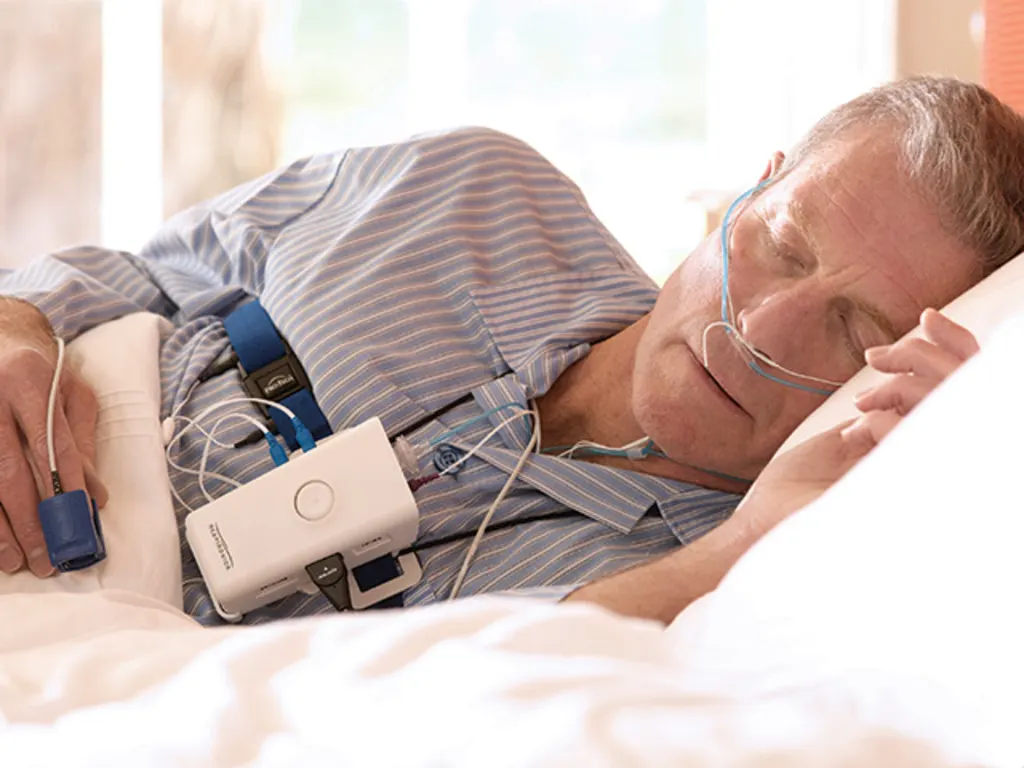
In Melbourne, you can choose between at-home sleep studies and in-lab overnight studies. Home tests are suitable for many suspected obstructive sleep apnoea cases and usually have quicker booking times. In-lab studies are more comprehensive, ideal for complex symptoms or unclear home test results. It’s important to ask if the clinic offers Level 2 home studies with more detailed signals or only simpler screening tests.
Where can I book a sleep test in Melbourne and how do these options differ?
You can book a sleep test via public hospitals (usually requiring a GP referral), private sleep clinics, or telehealth-first providers that ship home-test kits. Public hospitals may have longer wait times but lower costs for eligible patients. Private clinics often offer both home and lab studies with faster scheduling. Telehealth providers typically provide the quickest access to home testing depending on kit availability and courier times. Ensure the clinic is linked to an accredited sleep physician for proper interpretation and treatment planning.
How much does a sleep test cost in Melbourne and what should I consider?
Costs vary widely based on the type of test and funding source. Public hospital tests may be low-cost but involve longer waits. Private in-lab studies tend to be the most expensive, while home sleep tests are generally cheaper. Some providers bundle equipment hire, scoring, specialist interpretation, consultation, and reports into one fee. Confirm what is included in the cost, ask about Medicare rebates, and check if private health insurance covers any part of the testing.
What are the typical wait times for sleep tests in Melbourne?
Wait times depend on urgency, clinic capacity, and whether you choose public or private pathways. Public hospital referrals can take weeks to months before testing occurs, especially for non-urgent cases. Private clinics often schedule tests within days to a few weeks. Home-test kits can be arranged quickly but remember results depend on analysis time and clinician sign-off. Always ask separately about the earliest available test date and when results with next-step advice will be provided.
How do I choose the best sleep test option in Melbourne without feeling overwhelmed?
To compare clinics effectively, consider five key factors: accreditation status and use of recognised scoring standards; whether a qualified sleep physician reviews your data instead of relying solely on automated reports; total all-in cost including follow-up care; realistic turnaround time from booking to receiving results; and how treatment is managed post-diagnosis such as CPAP trials or lifestyle programs. Also check if the clinic is brand-agnostic regarding CPAP devices and offers ongoing support beyond diagnosis.