

What Are Portable Oxygen Concentrators and Why Are They Important?
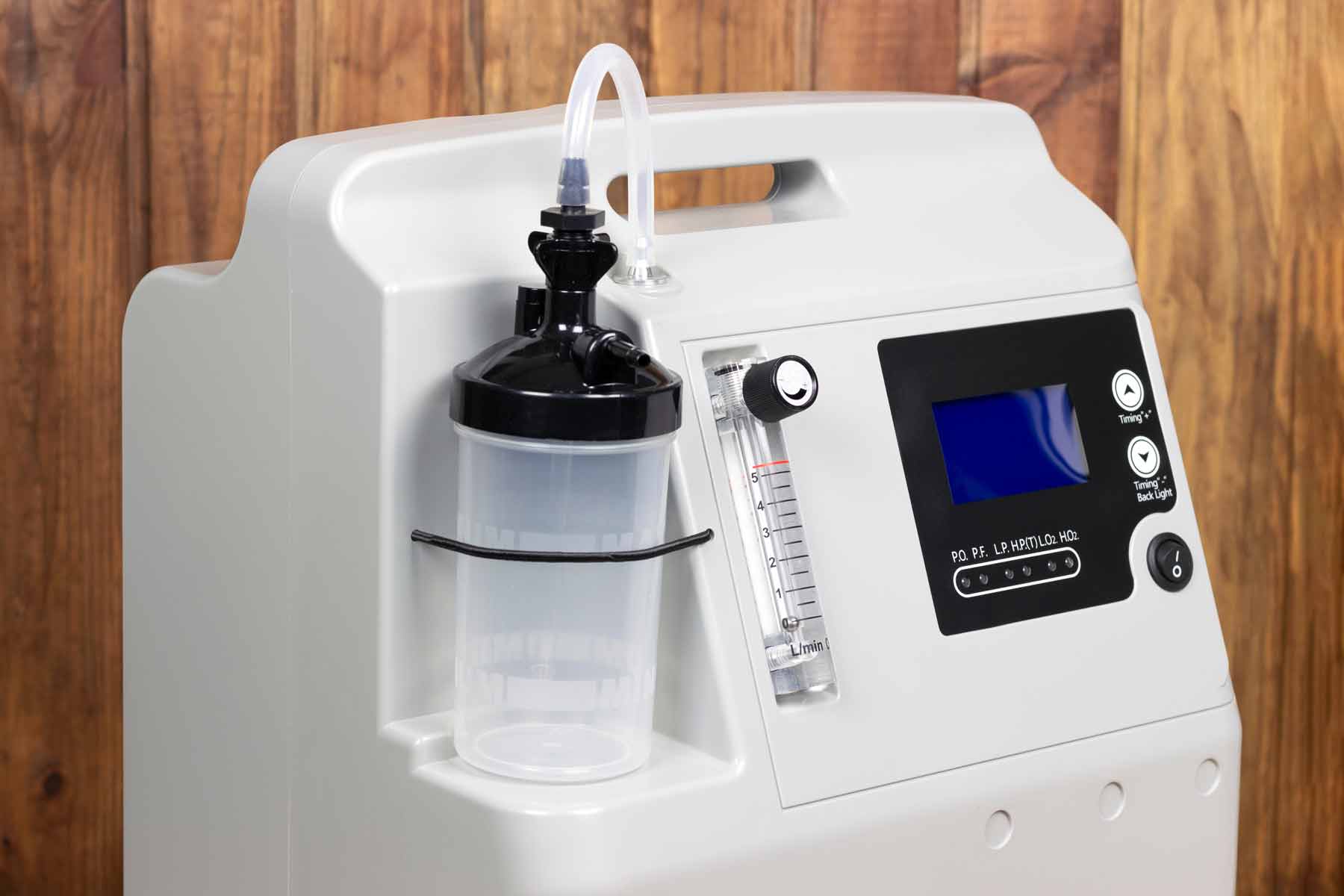
Portable oxygen concentrators (POCs) are medical devices that extract oxygen from ambient air and deliver concentrated oxygen to patients with respiratory conditions. Unlike traditional oxygen tanks, these battery-powered units generate oxygen on-demand, eliminating the need for refills or bulky cylinders.
A portable oxygen concentrator works by drawing in room air, filtering out nitrogen, and delivering purified oxygen through a nasal cannula or mask. The device continuously processes air as long as it has power, making it a reliable oxygen therapy solution for patients requiring supplemental oxygen.
Key Benefits for Respiratory Patients
POCs transform daily life for people managing chronic obstructive pulmonary disease (COPD), emphysema, pulmonary fibrosis, and other respiratory conditions:
- Enhanced mobility – Patients can travel, shop, and attend social events without being tethered to stationary equipment
- Improved quality of life – Freedom to maintain independence and participate in activities outside the home
- Consistent oxygen supply – Continuous oxygen generation without worrying about tank levels
- Airline-approved models – Many POCs meet FAA requirements for air travel
- Reduced anxiety – No risk of running out of oxygen during outings
Portable vs. Stationary Units
The primary distinction lies in design and functionality. Stationary oxygen concentrators remain plugged into wall outlets, delivering higher flow rates suitable for home use. They’re heavier (typically 15-30 kg) and designed for continuous operation in one location.
Portable models weigh between 2-7 kg, run on rechargeable batteries, and offer pulse-dose or continuous flow settings. While they may provide lower maximum flow rates than stationary units, their compact size and battery operation make them ideal for active lifestyles. Patients often use stationary concentrators at home while relying on portable units for outdoor activities and travel.
Where Can Patients Buy Portable Oxygen Concentrators?
Patients can buy portable oxygen concentrators from specialized medical equipment providers that focus on respiratory care products. These suppliers stock a range of POC models designed for different oxygen flow requirements and lifestyle needs.
Specialized Medical Equipment Providers
Medical supply companies across Australia offer purchase options for POCs both through physical storefronts and online platforms. These providers typically maintain relationships with manufacturers to ensure authentic products and proper after-sales support. Some suppliers also provide consultation services to help patients select the most appropriate device based on their prescription requirements and daily activities.
Trusted Brands Available for Purchase
The market features several reputable POC manufacturers including:
- Inogen – Known for lightweight, battery-powered models
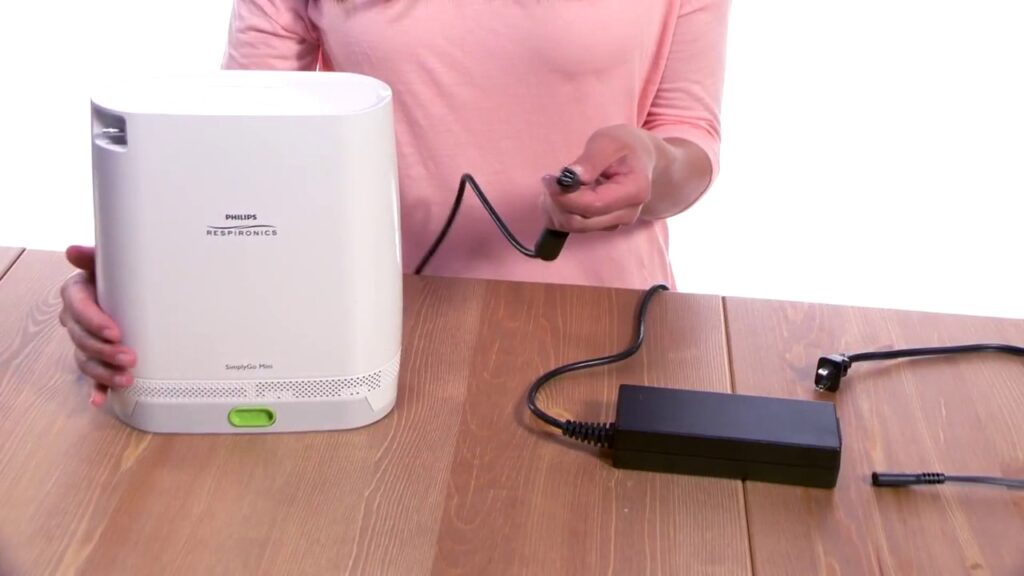
- Philips Respironics – Offers devices with advanced oxygen delivery technology
- ResMed – Provides portable units with user-friendly interfaces
- Invacare – Manufactures durable concentrators for active users
Key Considerations When Purchasing
Device reliability stands as the primary concern when investing in a POC. Buyers should verify the concentrator meets their prescribed oxygen flow rate and examine the warranty coverage duration. Most quality devices include 2-3 year warranties covering parts and labour. Battery life, weight, noise levels, and FAA approval for air travel represent additional factors worth evaluating before committing to a purchase.
Furthermore, it’s essential to understand the coverage options available for oxygen equipment and accessories, which can significantly ease the financial burden associated with purchasing these medical devices.
Where Can Patients Rent Portable Oxygen Concentrators?
Can I rent a portable oxygen concentrator instead of buying one? Yes, rental services for medical equipment are widely available through specialized healthcare companies and medical suppliers across Australia. These providers offer flexible short-term and long-term hire arrangements that accommodate varying patient requirements, from temporary recovery periods to extended therapy needs.
How rental programs work:
- Healthcare companies maintain inventories of certified POC units ready for immediate deployment
- Patients can rent portable oxygen concentrator devices on daily, weekly, or monthly terms
- Rental agreements typically include delivery, setup assistance, and ongoing technical support
- Equipment maintenance and servicing remain the provider’s responsibility throughout the hire period
Key advantages of choosing rental:
The flexibility of rental arrangements proves particularly valuable for patients with uncertain treatment timelines. Travel needs represent another common scenario where short-term rentals eliminate the burden of purchasing expensive equipment for occasional use. Rental options also allow patients to test different models before committing to a purchase, ensuring compatibility with their lifestyle and medical requirements.
Cost management becomes simpler through rental plans, as patients avoid substantial upfront investments while spreading expenses across manageable periodic payments. Insurance coverage often extends to rental fees, making this option financially accessible for many respiratory patients requiring oxygen therapy support. Click here to get more about Zen-O Portable Oxygen Concentrator: Why It’s a Top Choice for Active Patients.
Which Companies Offer Reliable Portable Oxygen Concentrator Services in Australia?
Several Australian oxygen concentrator suppliers provide comprehensive rental and purchase services for patients requiring oxygen therapy. Mega Medical stands out with flexible hire plans covering both stationary and portable oxygen concentrators, delivering equipment directly to patients’ homes with ongoing expert support throughout the rental period.
Their service model includes:
- Delivery and setup of high-quality concentrators from trusted brands
- Technical support and maintenance assistance
- Flexible rental terms accommodating both short-term recovery needs and long-term therapy requirements
- Competitive pricing structures designed for various budget considerations
Air Liquide Healthcare Australia brings over 25 years of specialized experience to the respiratory care market. As a global leader in home healthcare services and medical gases, they offer an extensive product range that extends beyond basic oxygen concentrators to include comprehensive sleep solutions and oxygen therapy equipment.
Their distinctive advantages include:
- Dedicated support programs for veterans through the Department of Veteran Affairs (DVA)
- Active participation in the National Disability Insurance Scheme (NDIS), improving affordability for eligible patients
- Established relationships with medical facilities and healthcare professionals across Australia
- Comprehensive service packages combining equipment supply with clinical expertise
Both providers maintain strong reputations among Australian oxygen concentrator suppliers, offering patients reliable access to essential respiratory support equipment with professional guidance throughout their treatment journey.
What Should Patients Consider When Choosing Between Buying or Renting a Portable Oxygen Concentrator?
The decision to buy vs rent oxygen concentrator depends on how long you’ll need the device. Patients who require oxygen therapy for less than six months usually find it more cost-effective to rent, while those who need long-term support can benefit from purchasing their own unit.
Budget constraints also play a significant role in this cost comparison POC purchase rental. Buying requires a larger upfront investment ranging from $2,000 to $6,000, whereas renting spreads costs into manageable monthly payments between $150 and $400. A thorough patient needs assessment should include:
- Duration of oxygen therapy (temporary recovery vs. chronic condition)
- Maintenance responsibilities (rentals include servicing; ownership requires self-management)
- Insurance coverage and reimbursement eligibility, which is influenced by the regulation of private health insurance
- Access to technical support and equipment replacement options
Rental flexibility suits patients recovering from surgery or acute respiratory conditions, providing the option to return equipment once healed. Ownership eliminates ongoing monthly fees and offers unrestricted use for patients with permanent respiratory conditions like COPD or pulmonary fibrosis. Warranty coverage and manufacturer support become critical considerations when purchasing, as these determine long-term maintenance costs and device reliability.
How Do Healthcare Providers Support Access to Portable Oxygen Concentrators?
Healthcare providers play a crucial role by supplying medical-grade oxygen equipment, coordinating delivery logistics, and offering clinical guidance to ensure patients receive appropriate therapy. Major providers like Air Liquide Healthcare combine decades of experience with comprehensive product ranges, helping patients navigate device selection while providing ongoing technical support and maintenance services.
Government-related support programs significantly improve accessibility for eligible Australians:
- Department of Veteran Affairs (DVA): Veterans can access subsidized or fully funded oxygen therapy equipment through approved healthcare providers, reducing out-of-pocket expenses for those who served
- National Disability Insurance Scheme (NDIS): Participants with respiratory disabilities may receive funding for portable oxygen concentrators as part of their care plans, making essential equipment affordable
These government schemes work directly with accredited suppliers who understand eligibility requirements and application processes. Healthcare provider support extends beyond equipment supply—providers assist with paperwork, liaise with funding bodies, and ensure DVA NDIS beneficiaries receive entitled benefits without administrative burden.
Conclusion
Choosing between buying or renting a portable oxygen concentrator depends entirely on your specific circumstances. Evaluate your oxygen therapy duration, budget, and lifestyle requirements before making a decision. Short-term users benefit from rental flexibility, while long-term patients may find ownership more economical.
The quality of your provider matters significantly. Reputable companies offer reliable equipment, comprehensive support, and maintenance services that ensure uninterrupted oxygen therapy. Whether you’re eligible for DVA or NDIS support or paying privately, partnering with established medical equipment suppliers guarantees access to trusted brands and expert guidance throughout your oxygen therapy journey.